Here is the short version, and it is not comfortable. The platform thousands of filmmakers trusted started deleting paid accounts without warning, lost 96% of its self-serve base between 2022 and 2024, then sold to a company known for gutting the apps it buys. This is what happened to us, and what it means for anyone whose work still lives on rented ground.
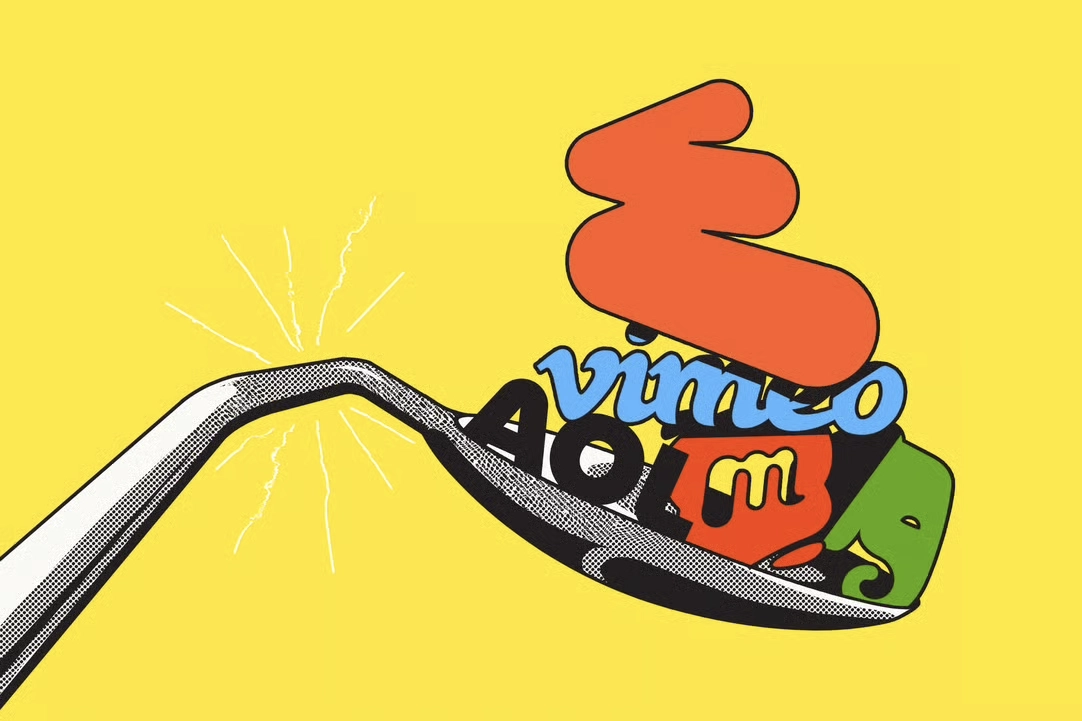
If you are reading this, you probably already know the story. Vimeo just got acquired by Bending Spoons, the Italian tech company with a reputation for gutting beloved apps and raising prices. FiLMiC Pro? Dead. Evernote? Gutted. WeTransfer? 75% staff cuts six weeks after the deal closed.
But here is the part everyone is missing: Vimeo died years ago. We know, because we were there when they killed it.
The day Vimeo turned on us
It is 2017, and C&I Studios has been a loyal Vimeo customer for years. We are paying subscribers. We follow the rules. We are exactly the kind of creative professional Vimeo claimed to serve: filmmakers who valued quality, who appreciated the ad-free experience, who bought into the whole creator-first ethos they sold us.
Then one day, without warning, our account was just gone.
No email. No appeal process. No chance to respond. Years of client work, erased by an automated scanner overnight.
Vimeo's automated copyright scanner had decided, all on its own, that some of our videos violated their policies. Never mind proper licensing. Never mind years of loyal paid subscription. Never mind that these were client projects with legitimate commercial usage rights.
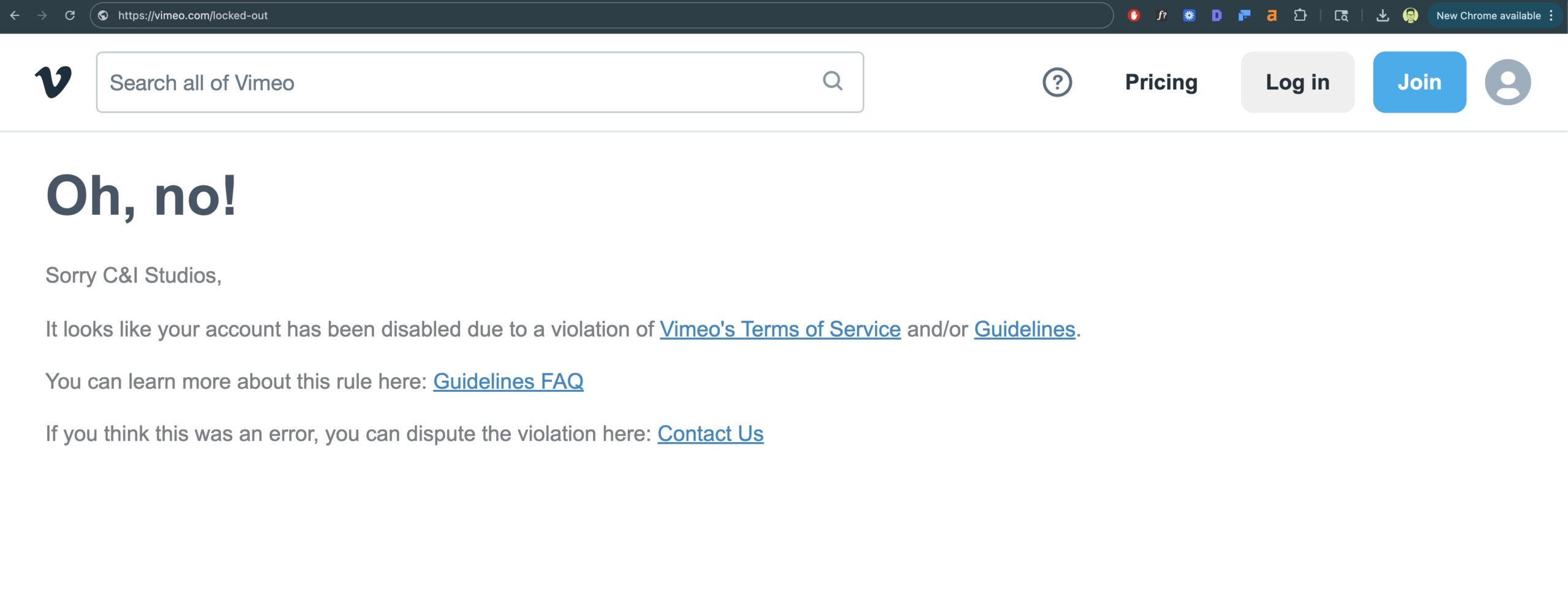
According to a comprehensive analysis by filmmaker Matt Johnson, Vimeo did this to thousands of loyal users, scanning private and unlisted uploads dating back to 2007 and issuing strikes retroactively. Wedding filmmakers who used copyrighted music back before Musicbed and Artlist existed woke up to find decade-old accounts deleted overnight.
A 96% collapse
Here is the stat that should terrify any current Vimeo user:
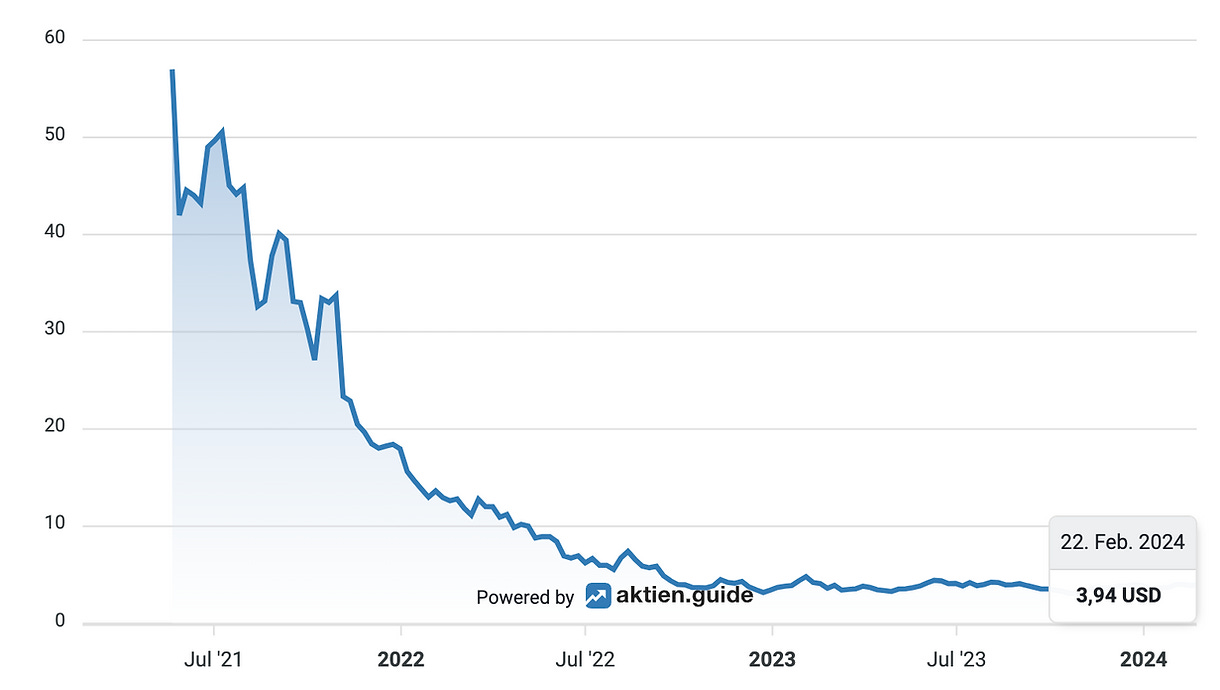
Self-serve subscribers collapsed from 1.5 million in 2022 to roughly 53,500 by Q3 2024.
That is not a migration. That is a mass exodus, 96% of individual creators and small businesses saying enough is enough and abandoning ship. And it all happened before Bending Spoons even entered the picture.
What Vimeo became
While Vimeo was busy deleting loyal creator accounts, they were pivoting hard to enterprise SaaS. Fortune 500 companies. Corporate video hosting. B2B subscriptions at $22,755 per enterprise user.
The filmmaker community that made Vimeo's reputation? The Staff Picks that launched careers for the Daniels, Ari Aster, and the Safdie brothers? The contests and collaborations that premiered at Sundance?
Dead. Discontinued. Abandoned.
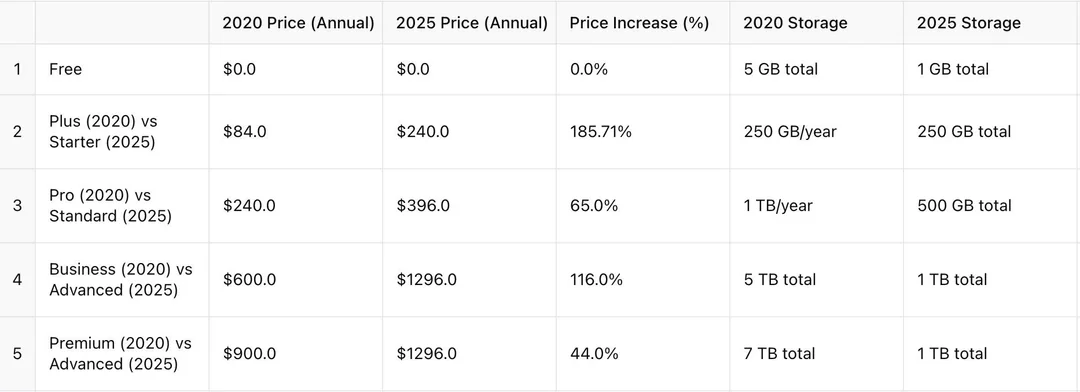
Staff Picks has already been shut down in EU and UK regions. Bandwidth limits forced working professionals to either pay far more or delete their entire archives. The current pricing model, $12 to $75 per month billed annually, is built for corporate teams, not individual filmmakers. Vimeo stopped being for creators like us years ago. They chose enterprise money over community loyalty, and automated enforcement over human judgment.
Why we built Qubee
When Vimeo shut down our account in 2017, we were furious. But more than that, we were motivated.
If Vimeo could delete years of our work on a whim, work we paid to host there, then we needed to own our own infrastructure. We needed a platform that:
- Actually belonged to us, not some corporate entity that could change the rules overnight
- Would not hold our video library hostage with arbitrary bandwidth limits or subscription tiers
- Gave us control over how we viewed, stored, and shared our work
- Did not treat creators like criminals with guilty-until-proven-innocent copyright scanners
That is why we created Qubee. Not because we wanted to build a video platform, but because we needed one that would not screw us over.
The Bending Spoons playbook
For anyone still hoping Vimeo returns to its roots under new ownership, here is what Bending Spoons typically does after an acquisition.
The pattern, every time
- FiLMiC Pro: the entire 22-person staff laid off, and the one-time purchase turned into a subscription.
- Evernote: US staff cut, prices up 100 to 160%, the free tier gutted to 50 notes on one device.
- WeTransfer: 75% of staff gone six weeks after the deal, and free transfers capped at 10 per month.
See the pattern? Mass layoffs, price increases, gutted free tiers. If you are still on Vimeo telling yourself it will not be that bad, history disagrees.
This is how it ends, but it does not have to
Matt Johnson, the filmmaker who documented Vimeo's decline, ended his video essay with a line that stuck with us:
This is how it ends. Not with a sudden shutdown of the website, but with a slow stutter of playback, failing to buffer before it pauses forever.
He is right about Vimeo. He is wrong about your video library. It does not have to end that way. You do not have to watch another corporation decide your work is not worth hosting, pay escalating fees for features you do not need, or wake up to a deleted account over a false copyright claim.
The wake-up call
If you are still on Vimeo, ask yourself honestly:
- How many times has playback failed while you were showing a client your work?
- How much are you paying per month compared to three years ago?
- How confident are you that your account will still exist next year?
- What is your backup plan when Bending Spoons implements its next round of "operational improvements"?
The writing is not on the wall. It is in the financial filings, the acquisition documents, and the 96% subscriber decline.

Why Qubee exists
We did not build Qubee to compete with YouTube's billions of users or Vimeo's enterprise contracts. We built it because we needed an answer to one question:
How do you reliably view, store, and share your video library without putting your livelihood at the mercy of some corporation's quarterly earnings targets?
Qubee is not trying to be the next big social video platform. It is not competing with Staff Picks or algorithm-driven discovery. It is infrastructure. It is yours. And nobody can take it away.
Here is what that means in practice:
- Your videos, your control. No automated copyright scanners making life-or-death decisions about your account.
- Predictable, fair pricing. No surprise bandwidth limits or seat-based pricing built for enterprise teams.
- Built by people who got burned. We know what it is like to lose years of work overnight, so we built something that cannot do that to you.
- Actual reliability. Because if your platform cannot play video without buffering, what is the point?
Where betrayed creators are going
The 1.45 million creators who left Vimeo between 2022 and 2024 had to go somewhere. Some went to YouTube, despite the algorithmic chaos and the ads. Some went to Frame.io for client review. Some invested in Blackmagic Cloud and their own infrastructure. And some found Qubee. Because what we all learned from the Vimeo betrayal is simple: you cannot build a business on someone else's platform if they can delete you on a whim.
What owning your infrastructure really means
When you do not control your video infrastructure, you are always one policy change, one acquisition, one automated scan away from losing everything. Your portfolio. Your client work. Your archive. Your reputation. Vimeo taught us that in the harshest way possible in 2017, and it has been teaching the same lesson to hundreds of thousands of creators ever since.
We understand the nostalgia. You remember when Vimeo meant something, when Staff Picks launched careers and "shot on Vimeo" was a badge of honor. But that Vimeo is gone. It has been gone since at least 2017, when the copyright purges started, and it is certainly gone now that a company famous for gutting apps owns it. Nostalgia is powerful, but it will not protect your library.
Here is what nobody wants to admit: Vimeo was never really creator-first. IAC took a controlling stake in 2006, before YouTube even sold to Google, and both founders were gone by 2008. For a while, corporate interests and creator interests happened to align, so it worked. The moment enterprise revenue got more attractive than individual subscriptions, the mask came off. Corporations optimize for profit, not loyalty. Vimeo proved it. Every platform eventually does. That is why owning your infrastructure matters.
The advice we wish we had in 2017
If we could go back to January 2017, right before Vimeo deleted our account, here is what we would say:
This is going to hurt. Losing all that work, all that history, all that trust. It will feel like a betrayal, because it is one. But it will teach you the most valuable lesson of your career: never build your business on someone else's platform if you do not control it. Build your own. Own your infrastructure. Protect your business.
We cannot go back and warn our 2017 selves. But we can warn you, right now, in 2026, as Bending Spoons takes over Vimeo and prepares to run the same playbook it ran on FiLMiC Pro, Evernote, and WeTransfer. Get out while you still can.
The Vimeo story is every platform's story
Vimeo's decline is not just one company's mismanagement. It is a case study in what happens when creator platforms prioritize growth metrics and enterprise revenue over the communities that built them.
YouTube did it with algorithm changes that upended creator livelihoods overnight. Instagram did it by pivoting to video and Reels. Twitter did it with, well, everything. And now Vimeo is doing it with the most straightforward betrayal of all: deleting loyal users and selling to a company known for gutting products.
The pattern is always the same:
- Build on creator goodwill and community.
- Achieve market dominance or investor attention.
- Pivot to more "scalable" revenue models.
- Abandon or actively harm the original community.
- Act surprised when creators revolt.
We are watching step five play out with Vimeo right now.
Your move
You have read this far, so you are at least concerned about what is happening to Vimeo. Whatever your situation, here is what we know for certain.
Bending Spoons didn't kill Vimeo. Vimeo killed Vimeo. The acquisition is just the corpse changing hands. The only question that matters now is what you are going to do about it. You can wait and hope Bending Spoons treats Vimeo differently than every other app it has bought. Or you can take control of your infrastructure now, before the layoffs, before the price hikes, before your account gets flagged by a system you cannot appeal to.
The bottom line: own where your work lives
At the end of the day, this is not really about Vimeo versus Qubee. It is about a principle.
If you are a professional creator, you cannot afford to build your business on rented land.
Every platform you do not control is rented land. YouTube can demonetize you. Instagram can shadow-ban you. Vimeo can delete you. And now the landlord has changed to someone with a documented history of raising rent, cutting services, and evicting long-term tenants. How much longer are you willing to rent?
We built Qubee because we needed a reliable place to view, store, and share our video library without worrying about corporate whims, automated strikes, or arbitrary bandwidth limits. If you need that too, it is exactly what Qubee is for. No Staff Picks. No viral algorithm. No corporate overlords who can delete your account overnight. Just your videos, your way, on your terms.
Frequently asked
Is Qubee just cloud storage like Dropbox?
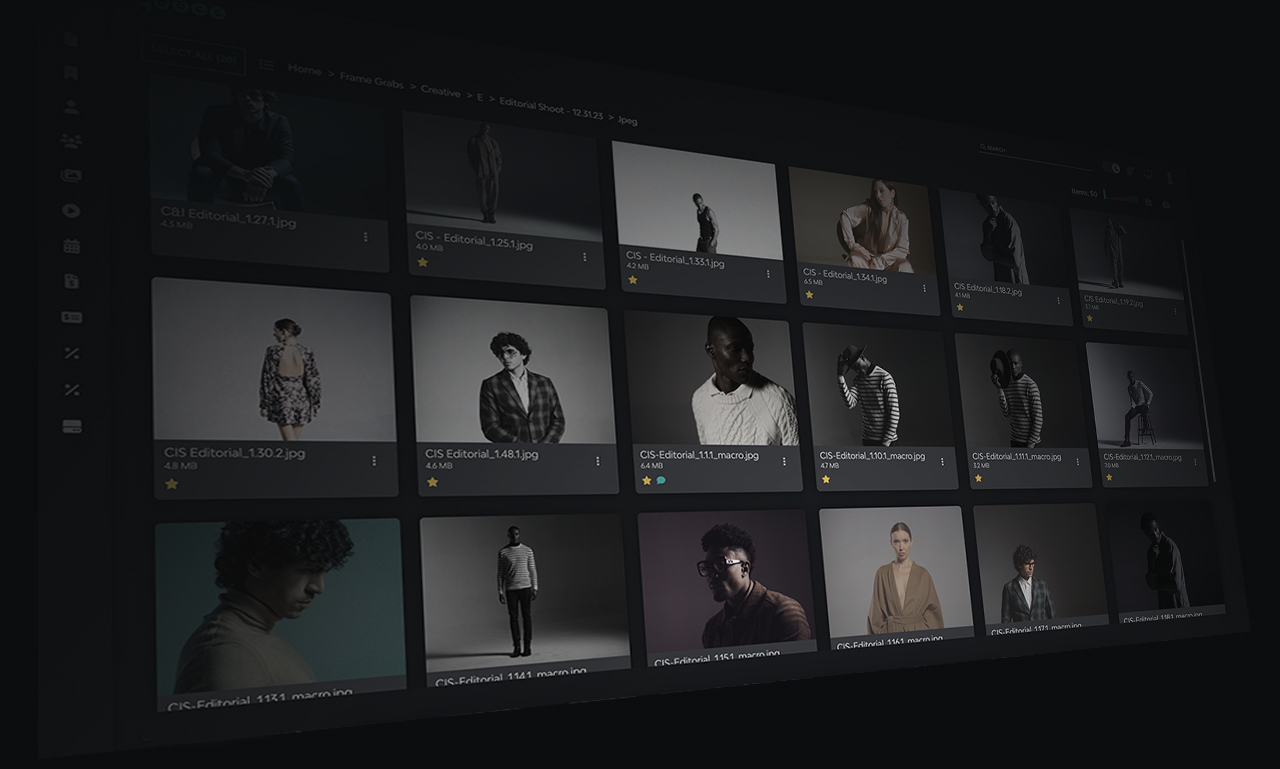
No. Qubee bundles the working layer creatives actually need: timestamped video review, client approval, branded galleries, transcription, and delivery, all on storage you own rather than rent.
What happens to my files if Qubee shuts down?
Lifetime files sit on hardware Qubee owns rather than rented cloud, and your library is always fully exportable. You are never locked in.
How is Qubee's pricing different from Vimeo's?
Flat, predictable pricing with lifetime options, rather than escalating annual tiers and bandwidth overages built for enterprise teams.